🌿Missed appointments in September Free NHS cancer advice, screening information and health checks Helping clinicians focus more on patients with Heidi Health 🌿Missed appointments in August 💉Flu Vaccinations 2026-27 eligibility criteria Mental health support Please cancel your appointment 👩🏼⚕️Doctor retirement announcement
Advice from a pharmacist
Pharmacists can offer advice on a range of illnesses, such as coughs, colds, sore throats, ear infections and aches and pains.
They can also give advice about medicines. This includes how to use your medicine, worries about side effects or any other questions you have.
If they cannot help you themselves, they can refer you to a GP or other health professional.
Treatment from a pharmacist
Pharmacists can suggest treatments that do not need a prescription for a range of conditions.
Most pharmacies can also offer prescription medicine for some conditions, without you needing to see a GP or make an appointment. This is called Pharmacy First.
Conditions they can offer prescription medicine for are:
If you are not within these age ranges, a pharmacist can still offer advice and support decisions about self care treatment with over the counter medicines, but you may need to see a GP for treatment.
If you go to a pharmacy with one of these conditions, the pharmacist will offer you advice, treatment or refer you to a GP or other health professional if needed. They will also update your GP health record, but your information will not be shared with anyone else.
Most pharmacies can provide prescription medicine for these conditions but contact them before visiting to check.
Find a Pharmacy
For more information, visit https://www.nhs.uk/nhs-services/pharmacies/how-pharmacies-can-help/
When we are closed and your problem cannot wait until we reopen – still ring your GP telephone number and you will be connected to the Out of Hours service. They will offer advice and get you the correct treatment.111 is the NHS non-emergency number. It’s fast, easy and free. Call 111 and speak to a highly trained adviser, supported by healthcare professionals. They will ask you a series of questions to assess your symptoms and immediately direct you to the best medical care for you.
NHS 111 is available 24 hours a day, 365 days a year. Calls are free from landlines and mobile phones.
In case of a life-threatening emergency, please dial 999.
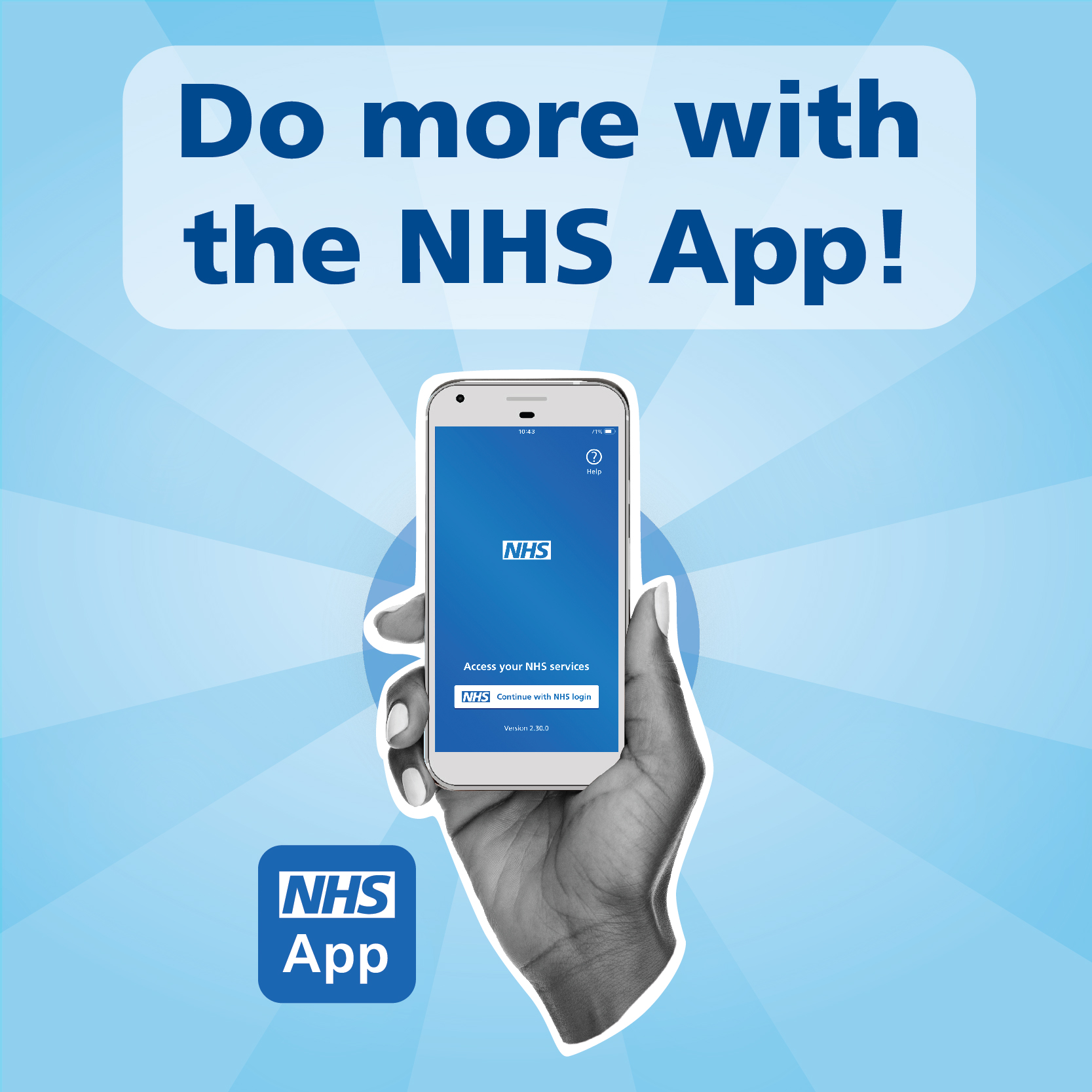
Download the NHS App or open the NHS website up and login to access a range of NHS services online.
The NHS App is available on iOS and Android:


To use the NHS App, you must be aged 13 or over and registered with a GP surgery in England.
Find out more about the NHS App.
Published: 18 September 2026
🚌 𝐅𝐫𝐞𝐞 𝐍𝐇𝐒 𝐜𝐚𝐧𝐜𝐞𝐫 𝐚𝐝𝐯𝐢𝐜𝐞, 𝐬𝐜𝐫𝐞𝐞𝐧𝐢𝐧𝐠 𝐢𝐧𝐟𝐨𝐫𝐦𝐚𝐭𝐢𝐨𝐧 𝐚𝐧𝐝 𝐡𝐞𝐚𝐥𝐭𝐡 𝐜𝐡𝐞𝐜𝐤𝐬 𝐢𝐧 𝐥𝐨𝐜𝐚𝐥 𝐜𝐨𝐦𝐦𝐮𝐧𝐢𝐭𝐢𝐞𝐬 𝐭𝐡𝐢𝐬 𝐎𝐜𝐭𝐨𝐛𝐞𝐫 𝐯𝐢𝐚 𝐭𝐡𝐞 𝐓𝐡𝐞 𝐄𝐚𝐬𝐭 𝐌𝐢𝐝𝐥𝐚𝐧𝐝𝐬 𝐂𝐚𝐧𝐜𝐞𝐫 𝐀𝐰𝐚𝐫𝐞𝐧𝐞𝐬𝐬 𝐁𝐮𝐬. 📆 It...
Published: 15 September 2026
We are now using Heidi Health during some of our consultations At Willowbrook Medical Practice, we are always looking for ways to improve the care...